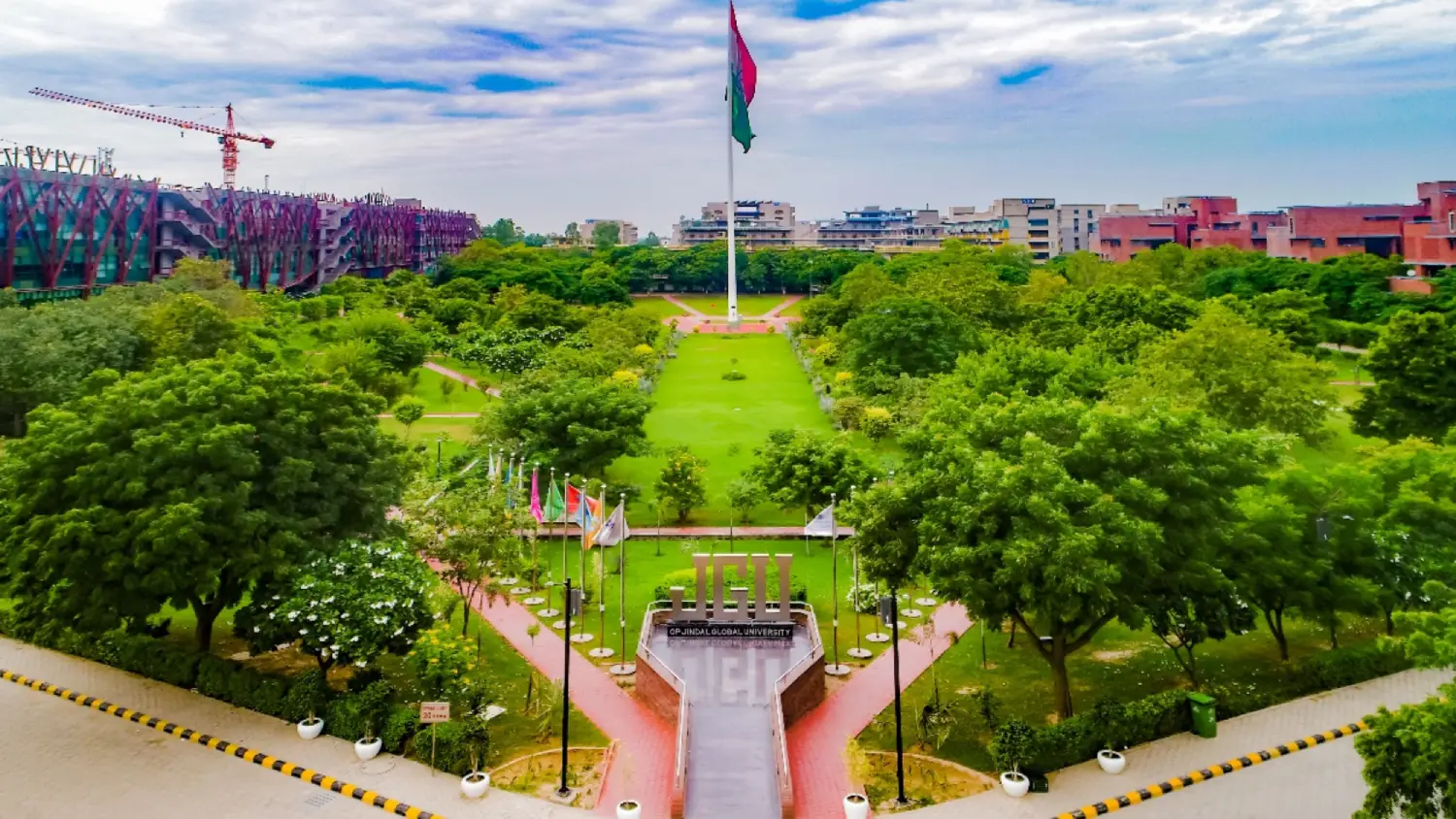
The Jindal School of Design & Architecture (JSDA) produces paradigmatic shifts in the way we IMAGINE and MAKE Architecture, Interior, and Immersive Environments (Physical as well as Virtual) – ranging from the most intimate to the most public, from the analogue to the digital, from the real to the virtual.
JSDA is an academic environment that is creative, intellectually rigorous, making oriented, interdisciplinary, and innovative. It follows internationally accepted best practices of the academia supported by a globally acclaimed faculty. JSDA fosters interdisciplinary work that cuts across intellectual terrains and institutions worldwide allowing students and faculty to actively address the most pressing issues and problems facing our world today.
Started in 2018 with 20 students and 7 faculty, JSDA has expanded into a school of 300 students, 38 full time faculty members, and 7 laboratory and administrative staff.
Disclaimer- Please note, International Dual Degree Programmes will have separate fee structure when transitioning to the partner University. For details, contact the admission office.
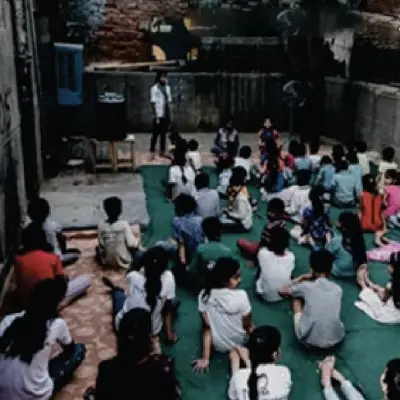

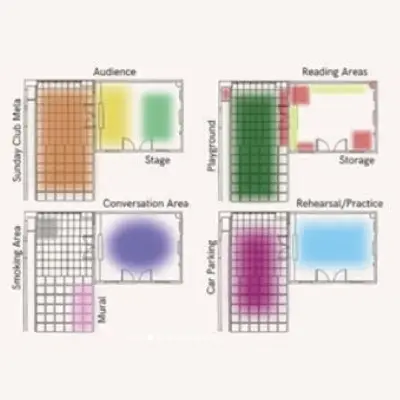
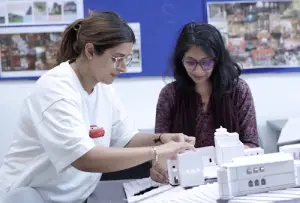
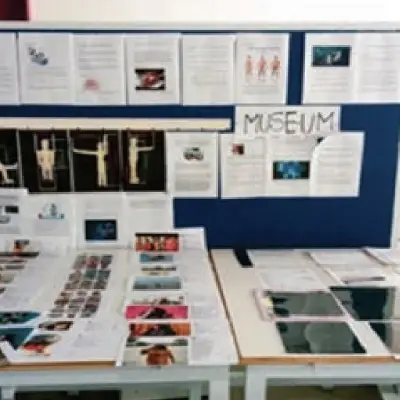
Projects deal with debates built around identity, representational politics, gender and space.
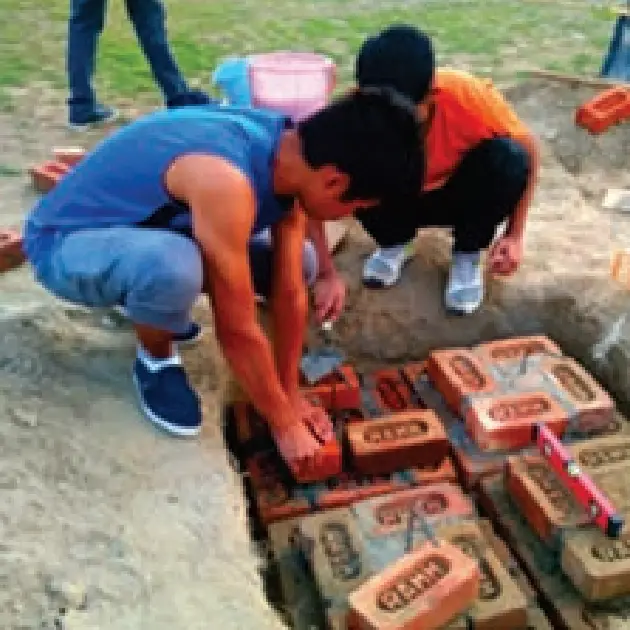
Activities in the construction yard enable students to understand building materials better, as they develop full scale objects and test them over time.
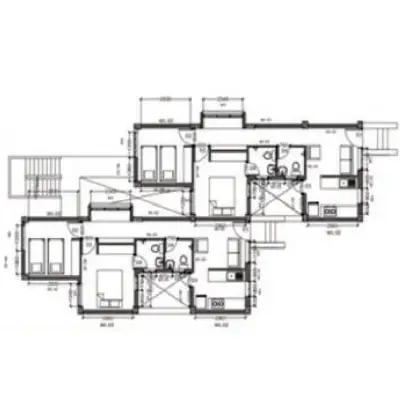
Projects deal with constrained modelling to understand structural systems & theories behind them.


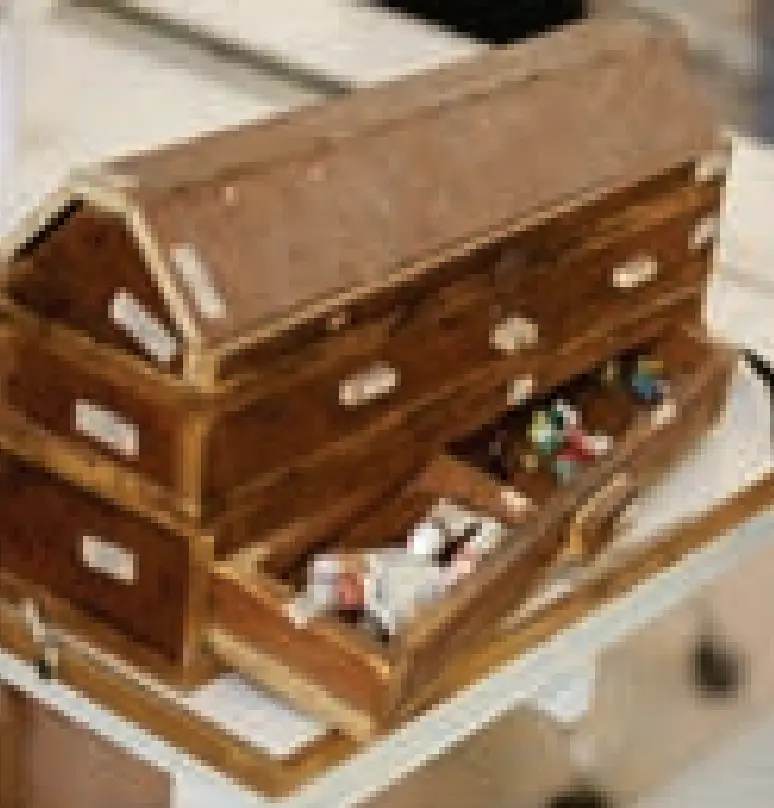

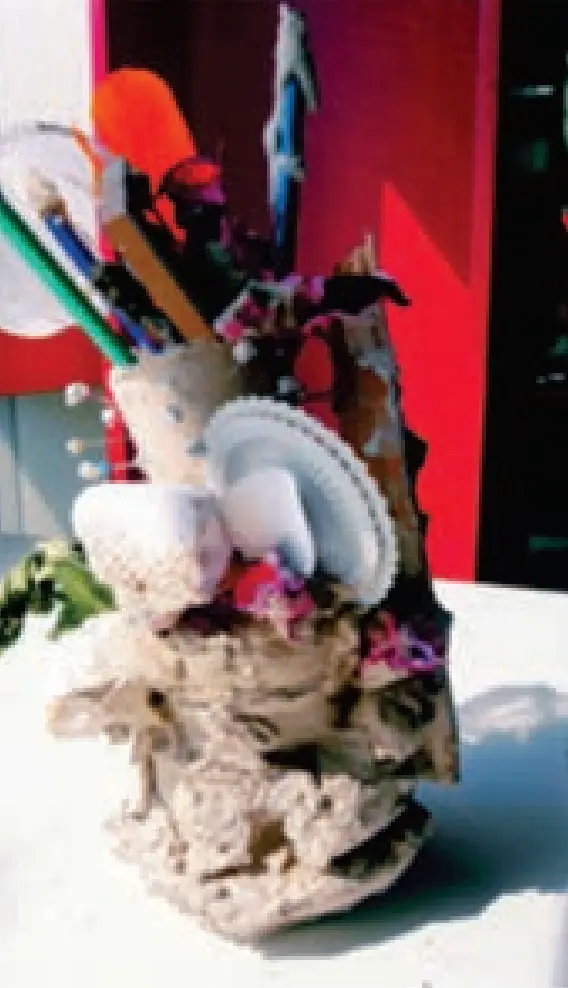

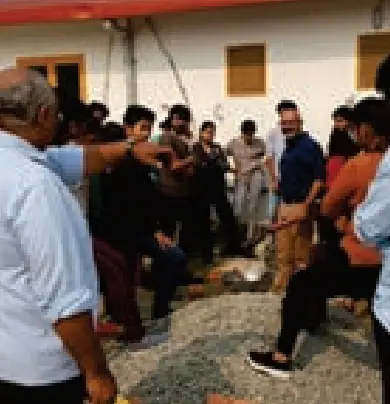

Critical thinking, research and practice are the focus of the curriculum. Students are trained to choose, think and link various disciplinary approaches to tackle complexities that characterise built environments. There are no intellectual or disciplinary boundaries that exist here, a rarity in architecture schools. This enables them to challenge divisions and develop expansive approaches to problem solving.

At JSDA, education is focused on a high degree of interdisciplinarity. The school in tandem with the university offers a minor specialisation track. Students enjoy the freedom to design their own paths of studies, under guidance and regular discussions with their mentors at the school, which spans other schools and disciplines, established through interdisciplinary electives and minor courses of inquiry.

‘Everything we make is an improvisation, a lash-up, something inept and provisional” says David Pye. JSDA agrees to this proposition deeply and challenges normative falsities like ’creativity is a gift,’ ‘creativity cannot be taught,’ ‘design is a moment’ etc. The school is based on a ‘practice based learning’ theory and develops / inculcates creative skills among students through making-improvising-designing.

Learning through observation, documentation and action. Cities, villages, sites, studios are where students learn and gather practical experience in problem solving. Here they learn how to improvise, theorise practices and practice theories in real life situations by indulging themselves with real project sites, clients, issues / challenges and hence, a totally real set of constraints.

Hands on approach and ‘Making’ forms an integral part of the teaching pedagogy at JSDA. Students are mandated to make / build objects, installations and buildings by hands, in order to engage closely with all scales of construction processes and techniques. The fabrication lab and the construction yard on campus therefore becomes a second home to our students.

Apart from architects, the faculty comprises urbanists, historians, geographers, anthropologists, artists, lawyers and engineers who are trained from top universities across the globe. Harvard, Cornell, Oxford, UC-Berkeley, Purdue, Heidelberg, Politecnico Di Milano, Cincinnati, UCL-Bartlett are among best universities of the world where our faculty members have taught and studied.

Multiple internships at leading firms such as WWF India, CIDC, TRIPP, IIT Delhi, Hyderabad Urban Lab, Scan the World for my Mini Factory, London, McGill University, Canada, Ashoka Trust for Research on Ecology and Environment (ATREE), Herman Miller, CBRE, CSE, JLL, Observer Research Foundation, Stir World, Space Design Consultants, Scan the World, London, Opus Indigo and Jackfruit Research and Design from end of 2nd year.

Partner institutions include top universities across the UK, USA, Canada, Australia, Europe, and Asia — such as UCL, University of Nevada–Las Vegas, University of Malaya, Istanbul Technical University, University of Michigan, McGill University, UNSW Sydney, University of Adelaide, Rhode Island School of Design, KTH Sweden, Strelka Institute Russia, University of Oxford, University of Palermo, University of Greenwich, Royal Agricultural College (UK), and the School of the Art Institute of Chicago.

JSDA offers up to 50% scholarship, these merit cum means scholarships are based on the performance in 12th standard exam, NATA/JEE marks, personal interview with Dean and Parental income (must be below Rs 30 lakhs).

JSDA is part of OP Jindal Global University which is NAAC “A” grade accredited & autonomous university, JGU is awarded as Institution of Eminence by Govt. of India & Ranked no 1 private university in India by QS World Rankings, top 150 under 50 globally, Top 700 universities globally, member of Commonwealth universities.
The B.Arch coursework includes interesting subjects such as:
Specialized subjects to master design thinking and technology:
Develop leadership and research-based architectural expertise:












Europe
UK & Ireland
North America
North America
Eurasia
Asia
Africa
Oceania
Learning through observation, documentation and action. Cities become the studio, where students learn and gather practical experience in problem solving. The city helps them to understand the complicated interrelationship between man and the built environment better.
Every Wednesday, JSDA invites an expert of the built environment and human centric cultures such as food, festivals and cross-border relations, to talk about their works - both ongoing as well as published research. This inspires our students to connect the dots and develop newer inquiries.
An interdisciplinary subject like Society and Cultu re, takes upon c ritical anthropological discussions on the human society. Many such unique interdisciplinary seminars such as the land question, modern South Asia, sex of design etc. form an integral part of JSDA's cross-disciplinary pedagogy.
JSDA brings to life, the long forgotten guild system, of an expert master closely monitoring and teaching the apprentice, the art of making. Hence, our design studios are called Ateliers - where we make our students, the master of one thing, not a jack of all trades!
The first year students undergo an inductive course into research writing, conducted by experts from the JGU Center for Language Studies. This helps them to bridge the vaccuity in academic writing which is not a part of the Indian high school curriculum.
Reviews and juries at JSDA are not meant to judge students. They are inhe rently const ructive and help students to perform better. Even the g rading system follows this methodology and ethos
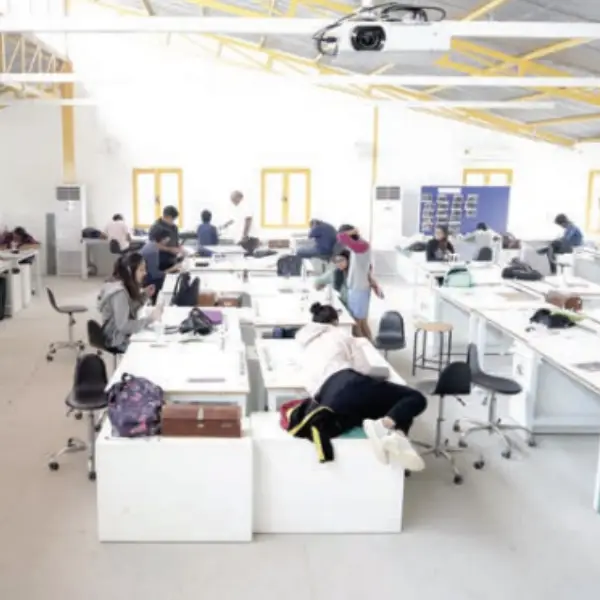
DESIGN STUDIO
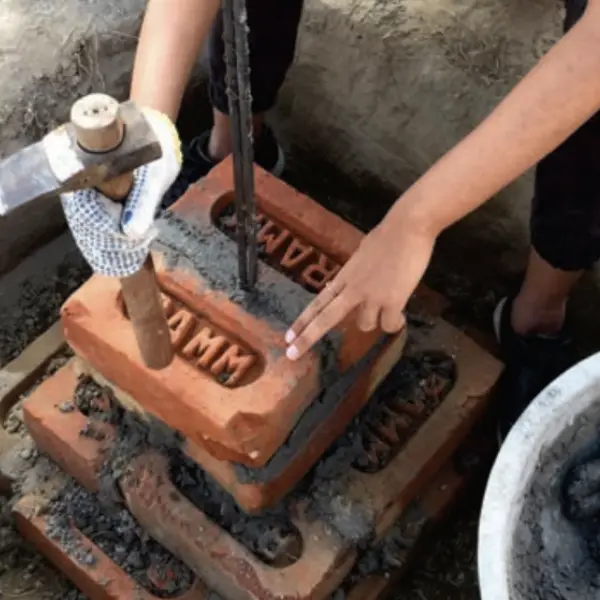
CONSTRUCTION YARD & LAB
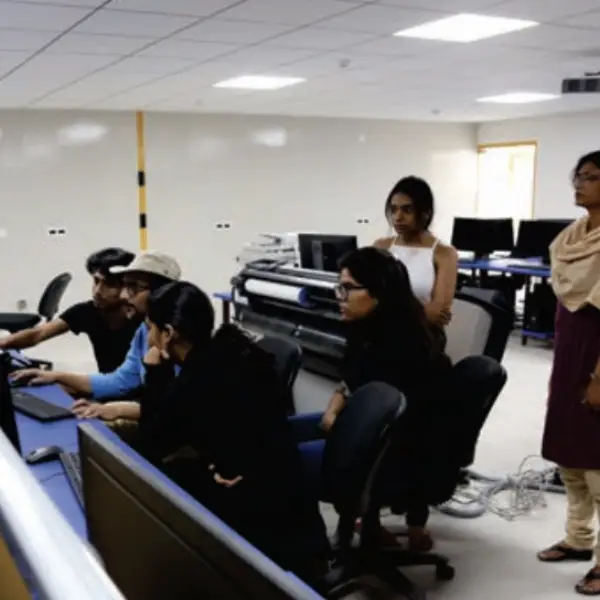
DIGITAL CENTRE

ENVIRONMENT RESEARCH LAB

VIRTUAL ENVIRONMENT LAB
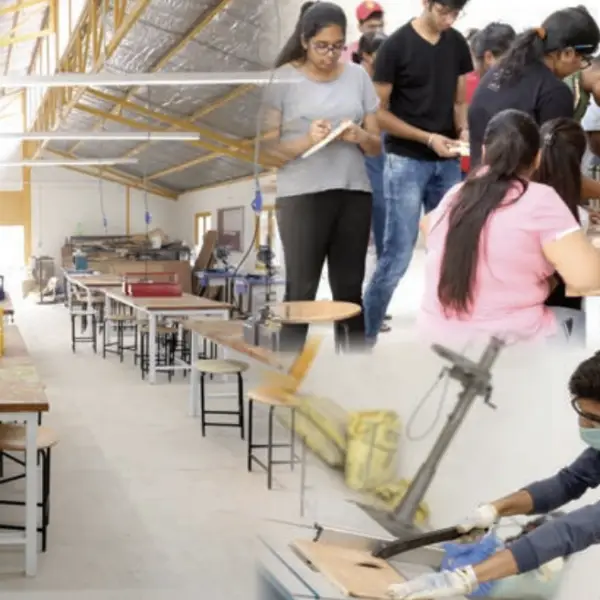
FABRICATION LAB

Never had I thought that I will be analyzing my own pictures through the eyes of our beloved Michael Lynch who got introduced to me in my first semester here. It's funny how the whole idea of "what is truth" astonishes me till date. I dont think I will ever be able to see all advertisements,tourism videos, movies, shows etc. just as it is ever, instead I just prepare myself for the thousand questions that will come into my mind on how most of the things are being (mis)represented there.
Only if I had known how "unlearning" can be mind‑boggling but at the same time opened doors for me to see and learn so many things that existed before but I never really looked into them enough. Honestly, this "Never had I ever thought..." list of things goes on and on and I'm glad it does because that's what this place and the people here have taught me . . .

... And then came 22 students ... sitting in front of one of the most experienced and coolest professor that most of us might ever know. Our induction lecture, an experience that would change all our concepts forever, started with the idea of "time". Professor Jaideep Chatterjee came forward with a simple smile saying “We all have experienced time... right folks?", leading on to an incredibly confusing two hours, breaking our concrete ideas and instigating us to think. Now when I think about time all I can say is it is a measured calculative of space without us being able to interphase between the past, present and, future because by the “time” you notice the present it’s already past. Looking back I never thought I would think about it in this manner; but there is a lot more... much more to it and cannot just be said in a few words...

As a visiting faculty member at JSDA, I have been thoroughly impressed by the dedication to excellence and the pursuit of innovation that defines this institution. From the faculty to the students, there is an unmistakable passion for creating spaces that are not only functional but also visually stunning and environmentally sustainable.During my time here, I have had the privilege of engaging with bright, ambitious students who exhibit a deep understanding of design principles and a keen eye for detail. Their enthusiasm for learning is infectious, and it has been incredibly rewarding to witness their growth and development over the course of the semester. The department's commitment to fostering a culture of creativity and critical thinking has undoubtedly contributed to the success of its students.The department's emphasis on interdisciplinary design approach into the curriculum is also commendable.In conclusion, my experience at the Architecture Department has been nothing short of inspiring. The dedication to excellence, the emphasis on sustainability, and the nurturing environment have all contributed to an enriching and fulfilling journey. I am confident that the department will continue to produce exceptional Designers who will leave a lasting and positive impact on the world of design and construction.

Making or assembling things has always been something of great interest to me, although I wasn't good at it. I realised I was keen on making things from the day I helped my dad make a bookshelf at home. After coming to JSDA I realised that there was so much more to making an object than I had imagined, whether it was through the readings introduced to us or workshops and class discussions that led me to these learnings. It's a fascinating process and since I enjoy this process of making, I'm drawn to the fabrication studio and love spending my time there. It has almost all the tools and equipment necessary for a builder/craftsperson to craft something new or renovate something, ranging from the smallest 1/3 of an inch nail to a large table saw.

Having had the opportunity to work with the students at the beginning of the semester in the woodworking workshop, I had a baseline experience of their knowledge, interest and general awareness of the world around them. It was pleasant surprise to see the personal development in the students, in addition to their enhanced academic knowledge.
It was humbling to hear young students speak of elevated concepts such as singular/multiple narratives, identities, distinguishing the idea of space from place and generally questioning their own motivations and thoughts. These are unusual traits in most young teenagers, but to see an entire batch of students transform into thinking young adults within such a short time was a revelatory experience.

My vocabulary has expanded exponentially, and so have my levels of cluelessness. I’ve become more focused on the process, rather that the mile stones and the endpoints. And there’s a whole bunch of instances that I can narrate to accompany the same.
The best thing about learning from a faculty like this definitely has to be the resonances I see in my daily life. The multiple “eureka” moments that I’d had during the Mumbai research study programme has been my best learning experience so far. It’s in moments like this where everything falls into place and things seem to make sense, even for it is just for a minute.
In essence, JSDA has brought out the child in me again; making me read more, tinker around with Lego, daring myself to design, make and think around constraints.
Copyright © 2026-27 | All rights reserved.

Please check your inbox we have sent you a link,
Click on it to reset your password
Do you want to copy the form Form-name.
YesDo you want to copy the form Form-name.
YesYou have filtered Paid Applicants
OkResubmission Logic added successfully !
OkAre you sure you want to proceed?
Do you want to copy the form Form-name.
Save AnywayThis Lead/Applicant is unsubscribed from your mailing list hence not receiving any Emails that you send.
Do you want to Re-Subscribe this Lead/Applicant?
You are about to swap to .
Are you sure you want to proceed?
You are about to swap to .
Are you sure you want to proceed?
All the Below mentioned data points will be along with the {{module}}.
Note: These Data Points will also be from the Publisher Panel.
Please note that the data once deleted is not recoverable.
Please Note : These records once archived will only be accessible in your archival directory.
Type "" to confirm: